
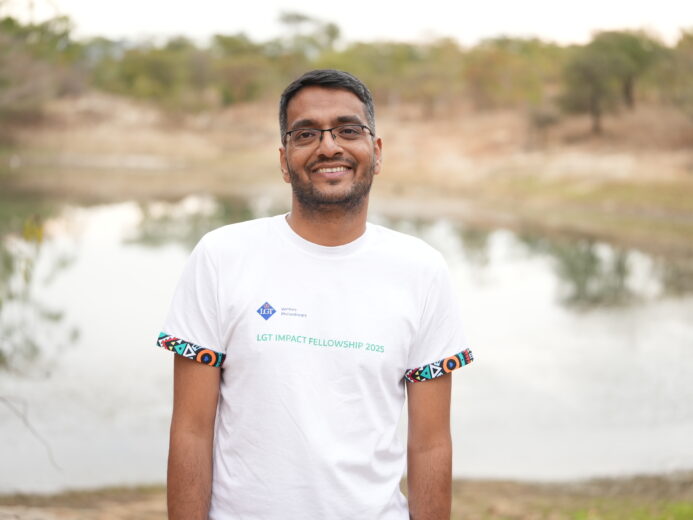
Where a fellowship became a classroom
By Kunal Dongre, LGT Impact Fellow at Educate Girls, India
Perfectionism used to be my default. I believed that if I worked fast, stayed error-free, and proved myself, I would earn approval and acceptance. But in the midst of spreadsheets, unit-rate assumptions, and iterative budgets, I discovered that disciplined learning and practice matter more than getting everything right. This became my first real lesson as an LGT Impact Fellow with Educate Girls.
I entered this role expecting to work as per my old mental models. Instead, I stepped into a system that demanded iteration, constant questioning, and reasoned revision. Budgeting here was not a top-down numbers exercise — it was a living process that moved constantly between micro assumptions and macro impact. Anchored by my supervisor’s clarity on must-haves and frugality, I began to understand how small unit-level decisions shape organisation-wide outcomes. What first felt overwhelming became a puzzle I learned to engage with and solve.
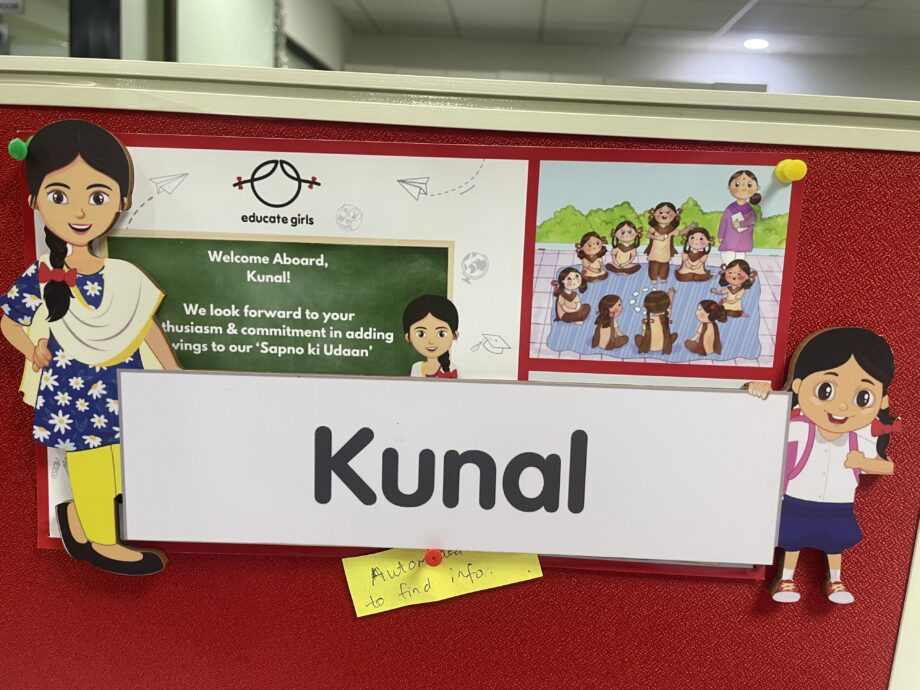
My role as a Financial Planning & Analysis Manager has involved building financial models, building budgeting systems, and applying my knowledge in unfamiliar ways. Re-inventing systems is not new territory for me, but modelling at this scale certainly is. Working closely with annual planning, its assumptions, and contextual variations has sharpened my thinking on scale, trade-offs, and cost discipline. Financial decisions have become less about correctness and more about judgement, context, and consequences.
The collaborative nature of the work — aligning with state teams, cross-functional stakeholders, and program leaders — reinforced a simple truth: resource planning is most effective when it is shared, questioned, contextualised, and grounded in operational realities rather than built in silos.
This has been largely an internal shift. Letting go of speed, control, and the need for constant validation hasn’t been easy. Learning to slow down and think deeply required unlearning habits I relied upon. What made it possible was the trust and patience of my team, the steady support of my peers and my partner, who challenged me to think for myself and make space for self-growth.
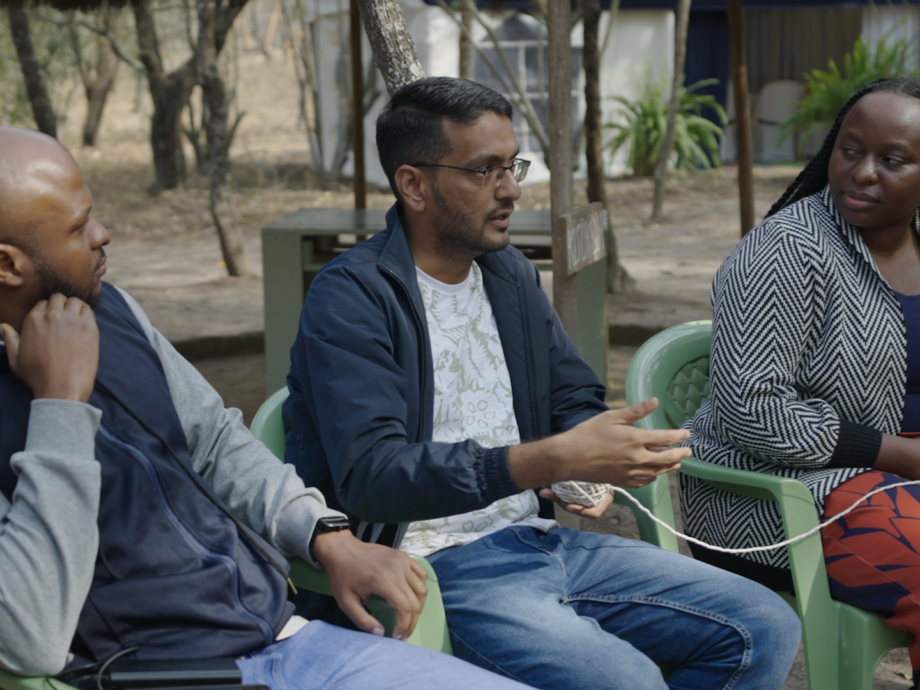
Being away from my partner and my pet — my usual anchors — has also shaped this journey. Quiet, lonely evenings have pushed me to reflect on priorities, stability, and the kind of work and personal goals I wish to pursue. Growth has begun to feel more about work–life balance and finding joy.
As an entrepreneur and financial planner, I’ve become more aware of the responsibilities that come with financial and knowledge resources. Every number influences direction, impact, and choices. I want to continue this journey — questioning assumptions, analysing trade-offs, and designing systems that enable better decisions.
The fellowship is midway through, and it has already changed how I work, learn, and think — making me more patient, grounded, and comfortable with slow, focused organisational building. What motivates me is simple: knowing that thoughtful financial planning strengthens access to quality education and agency for girls and young women – and brings a smile to their faces. That sense of purpose makes the work meaningful, mission-driven, and a constant source of learning