
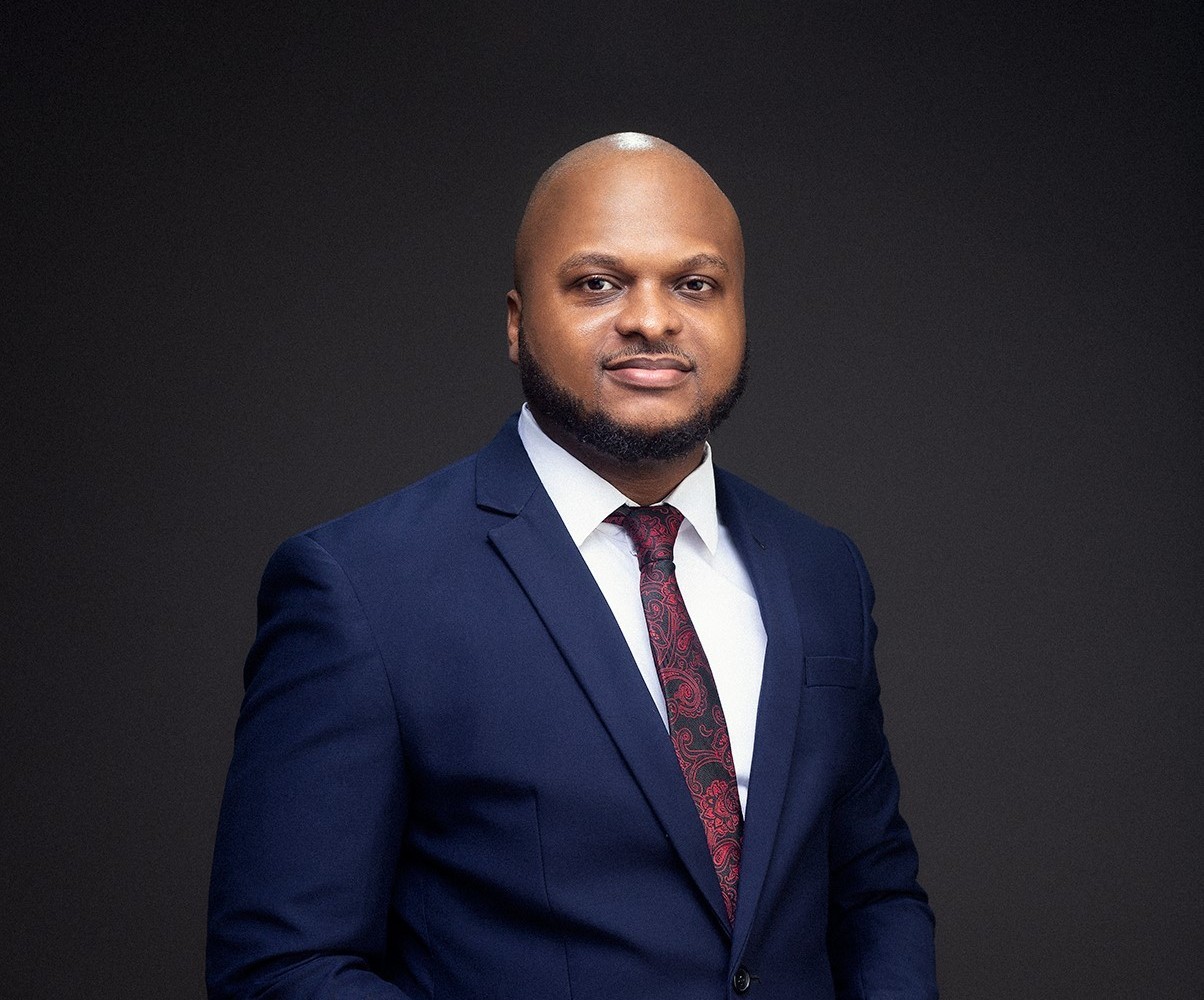
By Chinedu George Nnawetanma, LGT Impact Fellow at Financing Alliance for Health (FAH), Nigeria
Funding for the global development sector has become more volatile than ever. In the past few years, geopolitical and economic pressures have seen many traditional donors retreat and shift their focus inward or toward other priorities.
Nonprofits and community-based organizations (CBOs) in Africa stand to be disproportionately affected by this. According to estimates by various development trackers, as much as 80% to 90% of African nonprofits rely on international funding for their growth and operational stability.
But a 2025 report by the OECD revealed that net Official Development Assistance (ODA) to Africa declined by 9% in 2024, with projections of a further 17% decline in 2025. This and similar trends will no doubt threaten the very existence of many organizations on the continent, prevent others from scaling, and slow down efforts in sectors like health, education, and the environment, especially at the grassroots level.
With the global supply of philanthropic, bilateral, and multilateral capital dwindling, competition for the shrinking pie of resources has intensified among African organizations. Donors and foundations are implementing more stringent compliance measures and rigorous due diligence requirements to make sure that the few available resources get to the organizations with the right structures to use them. Such complexities often make it harder for smaller, local entities to qualify for direct support.
This is why my LGT Impact Fellowship at the Financing Alliance for Health (FAH) couldn’t have come at a better time. As the Project Manager of the Fiscal Sponsorship Program, my change-making work is focused on enabling the flow of critical funding from global donors to high-impact, mission-aligned nonprofits in Africa.
Bridging the Gap through Fiscal Sponsorship
Fiscal sponsorship is a financial and legal arrangement where an established nonprofit (the fiscal sponsor) provides its legal and tax-exempt status to a nonprofit or group that does not have its own (the sponsee or project). The project can then solicit and receive tax-deductible contributions under the sponsor’s legal umbrella.
Fiscal sponsorship is essential when a nonprofit is fundraising in a country or jurisdiction where it is not legally registered or authorized to operate. For instance, a Tanzanian NGO applying for a grant from a U.S. foundation will typically need a U.S. 501(c)(3) fiscal sponsor.
This model targets the structural barriers preventing Africa-led nonprofits from accessing global funding. It addresses the reality that many innovative initiatives on the continent struggle to receive necessary grants and donations simply because they lack certain legal infrastructure – for example, a U.S. 501(c)(3) tax-exempt status or the ability to issue tax receipts in the European Union – and not because they lack potential or impact.
Partnering with a fiscal sponsor can also improve a nonprofit’s fundraising prospects, amidst donor concerns around risk and compliance. Beyond providing a legal umbrella, some fiscal sponsors like the Financing Alliance for Health support their projects with administrative and value-added services that range from human resource management to financial management. This helps to bridge critical capacity gaps, ensuring that the projects maintain the highest compliance standards and freeing them up from tedious paperwork to focus on delivery.
Driving Impact on the Ground
In my role as the Fiscal Sponsorship Project Manager, I oversee the implementation and expansion of this initiative at the Financing Alliance for Health. Working with relevant teams in the organization, I coordinate the end-to-end program lifecycle, including strategic planning, due diligence, partner onboarding, risk management, operations, resource mobilization, capacity development, and ongoing support for the high-impact projects that we sponsor.
Collaborating closely with our fiscally sponsored projects has given me a unique opportunity to witness firsthand some of the most innovative and exciting transformations happening across fields like community health, disability inclusion, and health financing in Africa.
For example, one of our flagship partners, the Missing Billion Initiative, is at the forefront of efforts to dismantle barriers to equitable healthcare for people living with disabilities. It is currently spearheading projects that will make digital technologies more accessible and inclusive to ensure that no one is left behind in a rapidly digitalizing world. My involvement in advancing their mission-critical work has further sensitized me to the nuanced needs of people with disabilities and inspired me to become an advocate for disability rights.
My role has not only broadened my perspective but has also deepened my understanding of the local issues and systemic challenges affecting universal health coverage on the continent. Our collaboration with the Africa Frontline First (AFF) initiative has made me see the vital roles that community health workers (CHWs) play in delivering last-mile healthcare services, especially in remote areas where the nearest clinic may be hundreds of kilometers away.
Africa’s skilled health workforce density is currently estimated at 1.55 per 1,000 people, which is far below the World Health Organization’s recommended baseline of 4.45 health workers per 1,000 people. AFF works at the intersection of policy and finance, advocating for institutionalizing the CHW workforce to attract more investments and personnel to primary healthcare.
Scaling Impact Beyond Health Boundaries
This year, one of my key goals is to expand the Fiscal Sponsorship program to accommodate projects outside the health sector. This is because health outcomes are often influenced by wider interconnected factors like education, nutrition, WASH, gender equality, and economic empowerment. Sponsoring projects in related sectors will go a long way in achieving FAH’s objective of strengthening health systems to improve lives.
Being entrusted with such a far-reaching responsibility as the Fiscal Sponsorship Project Manager at FAH is more than a job. I see this as an opportunity to accelerate impact in Africa by empowering local organizations and leaders to own their development narrative.
I am particularly grateful to LGT Venture Philanthropy for the incredible privilege of being a part of this prestigious fellowship program and for providing a lofty platform that has allowed me to leverage my skills to drive systemic change.